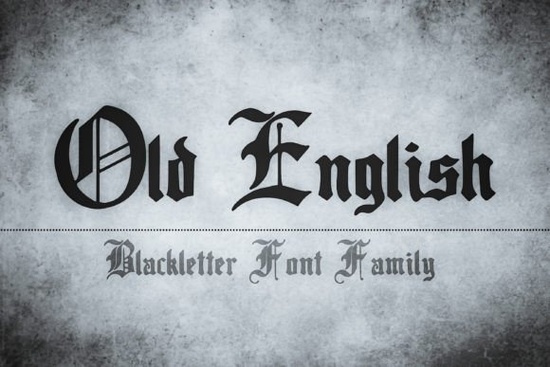
If you are looking to give a project an authentic historical feel, the Old English Font delivers exactly that type of character. This typeface draws directly from medieval handwriting traditions, giving your work a grounded, antique appearance. Designers, crafters, and print-on-demand sellers often reach for this style when they need to signal tradition or craftsmanship. The strokes are deliberate, and the overall weight makes it readable even at smaller sizes. Understanding how to work with dense letterforms early on saves time during revisions and keeps your final files clean and professional.
What kinds of layouts benefit most from this medieval type style?
Blackletter typefaces have always carried a strong visual personality. That means they perform best when you use them intentionally. You will notice the sharpest results on posters, album covers, packaging labels, and historical materials. The bold, angular strokes naturally draw the eye, making them a solid choice for short headlines or logos. If you run a small shop that sells vintage goods, adding this typeface to product overlays reinforces your brand story. Keep the surrounding elements minimal so the letters do not compete with busy backgrounds or heavy graphics.
How do I balance heavy lettering with clean, readable layouts?
Because this style carries a lot of visual weight, spacing and contrast matter more than usual. A good starting point is to pair it with a simple sans serif for body text. This keeps paragraphs readable while letting the headline keep its historic character. You should also increase the leading slightly to give intricate details room to breathe. When working with craft templates, test your sizing early on a phone screen. What looks sharp on a desktop can turn muddy on a smaller display if the spacing feels cramped. Adjusting tracking and line height will give your design a polished, intentional feel that customers notice right away.
Understanding the origins of these letterforms helps you use them with confidence. Historically, this Old English Font evolved from early European manuscript traditions, which is why the strokes mimic the pressure of a broad-nib pen. If you are building a mood board, you might also want to look at how gothic script interacts with ornamental borders. Pairing it with elements like medieval calligraphy flourishes gives your layout a cohesive feel. If you want to explore similar historical typefaces for your next layout, you can browse this collection of vintage blackletter designs to see how different weights behave across mediums.
What should I watch out for when sending files to print?
Print-on-demand platforms and home printers can struggle with fine lines. Since this typeface relies on thick vertical strokes, you will want to keep the resolution high and export files as PDFs or PNGs with transparent backgrounds. If your design includes small text, consider using a slightly bolder weight for better ink coverage. Always print a physical test copy before running a full batch. Paper texture plays a big role here; glossy stock reflects light, while uncoated paper absorbs ink and softens the look. Adjusting your print settings to account for that absorption will save you from costly reprints.
Can I use this style for commercial branding and merchandise?
Commercial projects require a clear understanding of licensing terms. Always check the specific file notes before uploading your work to a marketplace. Many crafters assume that because a style looks historic, it automatically falls into the public domain. That is rarely true for modern digital recreations. Pay attention to whether the license covers digital products, physical items, or both. Keeping a record of your purchase in a dedicated folder makes it easier to handle platform verification later on.
How do I start applying this typeface to my own projects today?
The fastest way to get comfortable with historical typography is to experiment with real templates. Open your design software, place the typeface into an existing layout, and adjust tracking until the spacing feels balanced. Try swapping placeholder text with your actual product names to see how it reads in context. Once you find a combination that works, save it as a reusable preset so you do not rebuild layouts from scratch.
Before publishing your design, run through this quick checklist to catch common issues:
- Check kerning between tall letters and lowercase characters
- Verify that all text sits safely above the bleed line
- Compare your screen preview with a printed proof under natural light
- Confirm your license covers the exact number of units you plan to sell
- Save a master file with editable layers before flattening for production
Take one extra minute to step back and look at your layout from arm length. If the main headline catches the eye first and the secondary text remains easy to scan, your design is ready to share.
Get Started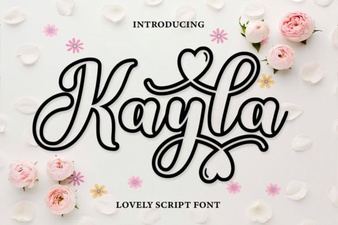 Kayla Outline: Elegant Font Designs & Project Ideas
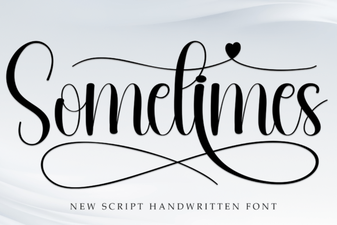 Sometimes Font: Creative Tips & Design Ideas
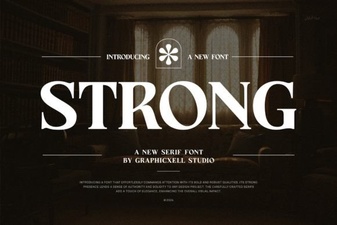 Best Uses of Strong Fonts for Design Impact
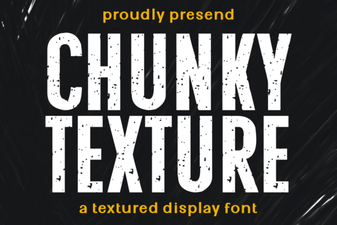 Chunky Fonts: Bold Text for Creative Designs
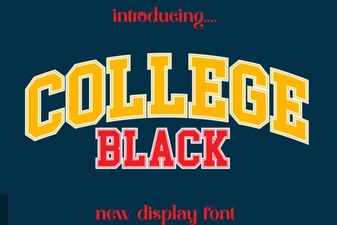 Sans Serif College Fonts for Designs
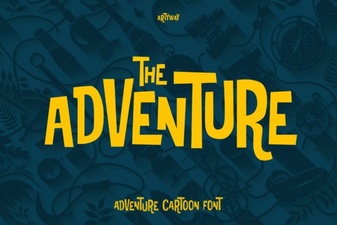 Adventure Fonts for Creative Projects & Designs