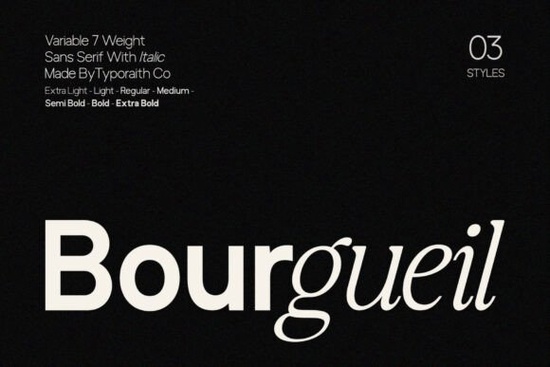
Finding a reliable sans serif typeface that stays sharp across screens and print materials takes time, especially when you need flexibility for minimalist layouts and bold marketing pieces. That is exactly where Bourgueil Font steps in. It gives designers, crafters, print-on-demand sellers, and small business owners a clean typographic foundation that adapts without losing its professional tone. You get a modern structure that reads clearly at any size, making it a practical choice for daily creative work.
Why choose a variable typeface for branding and editorial work?
Variable fonts remove the need to install dozens of separate files. Instead of juggling multiple weights, you adjust the thickness directly in your design software. This saves storage space and keeps your workflow smooth. For someone running an online shop, designing a local café menu, or building a brand identity, instant control over visual hierarchy means you can match your layout without switching tools. When your text needs to shift from a subtle caption to a confident headline, a single family file handles it seamlessly. If you are exploring other type options for contrast, checking out alternative geometric choices can help you spot what works best for your niche.
How do the seven weights and italic style improve readability?
The family includes seven adjustable thickness levels alongside a full italic companion set. The geometry stays balanced even when you push the thickness to its maximum, which prevents letters from feeling cramped or blurry. Designers often struggle with heavy weights that lose their open counters, but this family maintains clean spacing and consistent proportions. You can use lighter settings for long paragraphs in newsletters, while the bolder ranges work well for posters. For creators who prefer a clean and understated look, the lighter settings deliver exactly that.
Where does this typeface perform best across different media?
The design works equally well on digital interfaces and physical prints because it relies on straightforward shapes rather than decorative details that render poorly. Logo designers appreciate how the letters sit flush on a baseline, making alignment straightforward when scaling icons. Print-on-demand sellers will notice how well it transfers to merchandise, especially when paired with high-contrast palettes. If you need a single-line option for laser engraving, looking into a specialized single-stroke family might save you editing steps. The font remains a solid middle ground for commercial projects.
What should you keep in mind when pairing it with secondary typefaces?
Because the structure is clean and highly legible, it pairs naturally with serif fonts for traditional editorial spreads or with expressive display families for modern landing pages. Avoid matching it with another geometric sans unless you want a strictly uniform system. Instead, combine the medium weight with a contrasting serif for quotes. The italic version handles pull quotes and subheadings well, giving you variety without overwhelming the page. You can also reference external typography resources, like Bourgueil Font, to see how professionals structure their layouts.
How do you install and manage the files in your design software?
After downloading the package, drag the variable file into your system fonts folder, then open the typography panel in your preferred program. Use the weight slider to test the full range before applying it to your canvas. This helps you verify how line height and letter spacing interact in real time. If you want to compare it against other display options, browsing through a chunky sans serif collection gives you useful context for weight balancing. Always test your text on a mobile screen before finalizing digital layouts.
Before wrapping up your project, run through this quick checklist:
- Preview the typeface on both light and dark backgrounds to verify contrast.
- Set body text between 14px and 16px with a line height of at least 1.4.
- Use the semibold or bold weight sparingly for clear visual hierarchy.
- Export a quick mockup to check how spacing translates to print.
Take a few minutes to adjust tracking and test your headline against a plain background. Once it looks balanced on your canvas, you can safely scale the design to other formats without losing readability.
Try It Free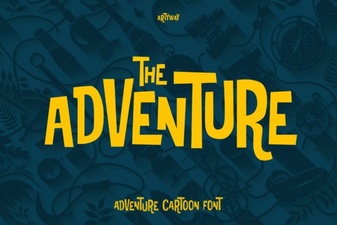 Adventure Fonts for Creative Projects & Designs
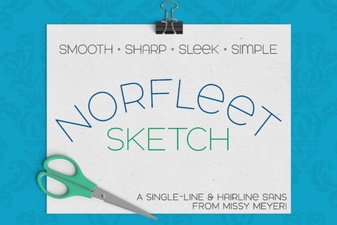 Creative Projects with the Norfleet Single Line Sketch Font
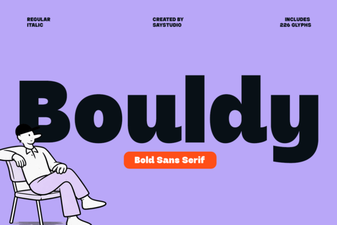 Bouldy Font: Download Free Typeface for Designers
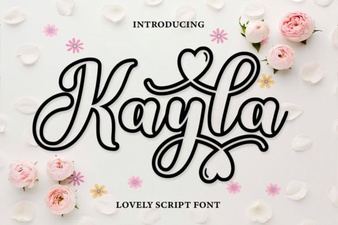 Kayla Outline: Elegant Font Designs & Project Ideas
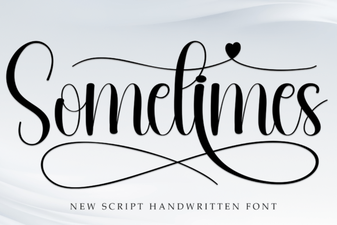 Sometimes Font: Creative Tips & Design Ideas
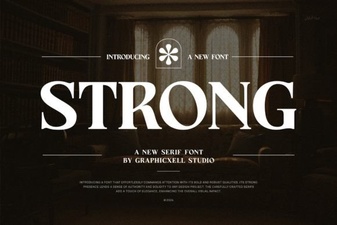 Best Uses of Strong Fonts for Design Impact