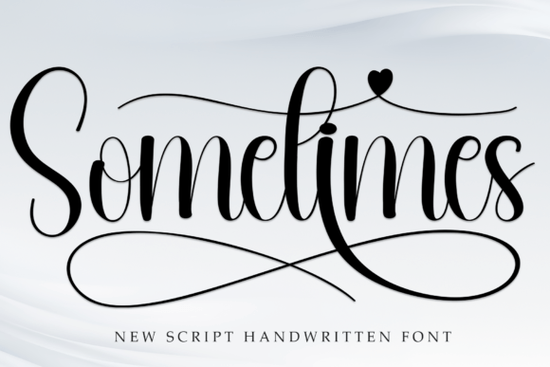
If you have been searching for a typeface that feels personal without sacrificing readability, the Sometimes Font is a reliable choice for everyday creative work. It captures the natural rhythm of handwriting while staying clear enough for both digital screens and printed materials. Designers, crafters, and small shop owners often look for this balance when they need to add warmth to a project without making it feel cluttered or overly formal.
What makes a handwritten style work well for wedding invites and greeting cards?
The main challenge with casual script typefaces is keeping letters distinct at different sizes. This particular font handles spacing carefully, so short phrases and longer messages both sit nicely on a page. When you are arranging text for paper goods, you want something that flows naturally from left to right. The gentle curves and consistent baseline help readers move through the words without pausing. Many makers prefer it for seasonal mail, thank-you notes, and event signage because it pairs smoothly with cleaner sans-serif options. If you enjoy exploring other handwritten options, you might compare how everyday classroom lettering compares in weight before making your final layout decision.
How can print-on-demand sellers apply this typeface to real products?
Print-on-demand businesses thrive on designs that feel handmade but still look professional on mockups. The fresh and casual look works especially well on tote bags, ceramic mugs, or apparel labels. You can use it for short brand tags, packaging stickers, or social graphics that need a human touch. Leave enough breathing room around the letters so they stand out clearly. Many sellers find success by combining this script with a simple geometric font for product details. You can also experiment with minimal handwritten styles if your project requires a cleaner background, or try more decorative lettering when the design calls for extra visual weight.
Do I need to worry about software compatibility or file formats?
Most modern design programs accept standard OTF and TTF files, which means you can open this typeface in Adobe applications, Canva, Affinity tools, and free alternatives like GIMP. Before purchasing, double-check your commercial license terms, especially if you plan to sell physical goods featuring the lettering. The files install directly into your system font folder, and once activated, it will appear under its name in any text tool. Keep a backup copy in a dedicated design folder to avoid re-downloading during busy seasons. Some crafters also use cutting machines to trace the outlines for vinyl stickers or heat transfers, where converting the text to paths ensures accurate tracking.
What design habits help keep casual typefaces looking polished?
Casual lettering can quickly feel messy if you overcrowd the layout. Start by choosing one focal phrase, then let the rest of the design stay quiet. Use ample margins, stick to two complementary colors, and avoid heavy shadows that hide the natural strokes. When layering text over photographs, add a soft backdrop so the letters remain sharp. You can mix this friendly style with structured elements like thin dividers to guide the eye. When building mood boards, look at how fruit-inspired casual scripts balance playfulness with clear spacing, and notice how thicker handwritten options change the mood entirely on retail packaging.
If you want to see how different typefaces handle similar casual applications, browsing the full Sometimes Font collection can help you compare weights, alternate characters, and commercial licensing options before committing to a final layout.
What quick checklist should I follow before finalizing my design files?
Before sending your artwork to print or publishing it online, run through these simple steps to catch common spacing and formatting issues:
- Open the file on two different screens to check how the letter shapes render in light and dark mode.
- Print a physical proof on the actual paper or material stock you plan to use for the final run.
- Zoom in to 400% and scan for awkward kerning gaps, especially around letters like A, V, W, and Y.
- Verify that all text layers are flattened or converted to outlines if your printer requires vector files.
- Review the license agreement to confirm commercial rights match your intended product type.
- Save a master editable version alongside a high-resolution PNG or PDF backup.
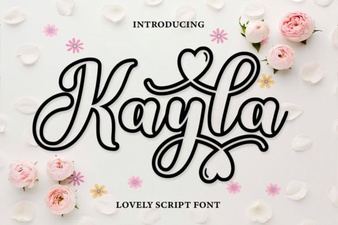 Kayla Outline: Elegant Font Designs & Project Ideas
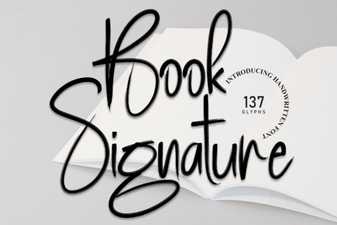 Craft a Signature Font for Your Book Project
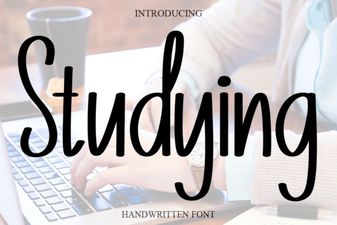 Creative Font Pairings for Your Study Projects
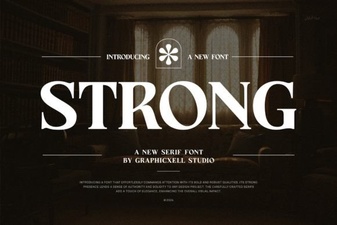 Best Uses of Strong Fonts for Design Impact
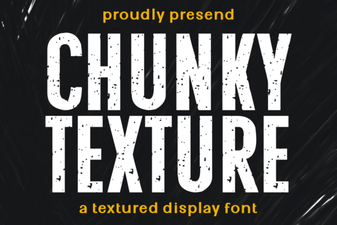 Chunky Fonts: Bold Text for Creative Designs
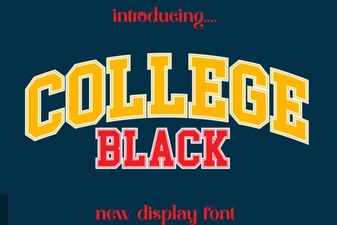 Sans Serif College Fonts for Designs