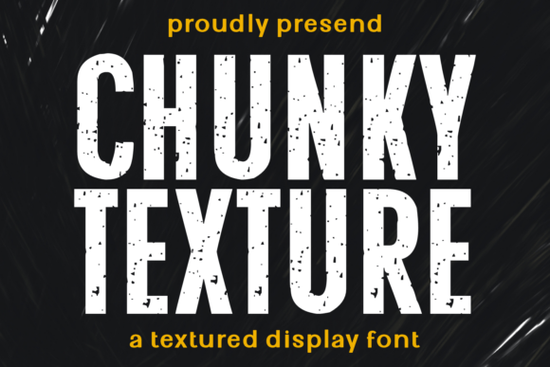
When you need type that feels worn, heavy, and undeniably bold, the Chunky Texture Font delivers exactly that kind of grit. Built for projects that thrive on raw character, this display typeface combines distressed strokes with a handcrafted stamp aesthetic. Designers working on streetwear graphics, vintage packaging, or rugged brand identities often look for a font that stands up to bold layouts without fading into the background. If you create print-on-demand apparel, craft custom signs, or run a small shop that values authentic industrial style, you will find plenty of room to work this lettering into your daily projects.
Many creators start their typography search by looking for options that match a specific mood. If you are pairing rugged headings with softer body text, you might want to explore other display options like the cozy handwritten alternative that balances out heavier grunge layouts. The key is keeping the visual hierarchy clear while letting the distressed strokes carry the main message.
What makes distressed typography work well for merchandise and branding?
The worn edges and uneven ink effect mimic real stamp prints, which gives designs an instant sense of history and trustworthiness. When customers see bold lettering that looks slightly faded or stamped, they automatically connect it with craftsmanship. This psychological cue is why so many barbershops, coffee roasters, and automotive brands lean into vintage industrial styling. Instead of chasing clean corporate minimalism, you can use the rough texture to communicate durability and hands-on quality.
When building a full brand kit, you rarely rely on just one style. Pairing a heavy, weathered headline with a cleaner retro transit-style typeface for subheadings often creates the contrast needed to guide the viewer’s eye through a poster or product label.
How can you use heavy grunge lettering across different print projects?
Because this typeface reads well at large sizes, it naturally fits any surface that needs instant visual impact. Here are practical ways crafters and small business owners apply it:
- Gym apparel and activewear: The sturdy strokes hold up perfectly on dark fabric transfers and screen prints.
- Coffee and food packaging: A slightly weathered look makes pouches, cans, and kraft labels feel artisanal.
- Tote bags and stickers: High-contrast lettering prints cleanly on cotton and vinyl without losing its stamped character.
- Outdoor signage and event posters: The rugged edges survive visual noise in busy environments and still grab attention from a distance.
If your project requires seasonal warmth or a lighter touch, switching to a bright script-style heading for accents keeps the layout from feeling too heavy. Similarly, a clean display variant can handle smaller details like pricing tags or care instructions while keeping the main message front and center.
What should designers check before using grunge fonts commercially?
Typography licensing and file compatibility are just as important as visual appeal. Always verify that the font package includes the standard formats you need for your software, such as OTF or TTF files. Test the spacing and kerning at different sizes before committing to a print run. Distressed edges can sometimes merge together when scaled too small, so it helps to leave extra breathing room between letters and avoid cluttered backgrounds. When printing on textured paper or rough fabric, a slight increase in line weight often prevents the design from looking washed out.
For projects that need a strong call to action without competing with your main headline, a friendly display option can soften the overall composition while keeping the layout professional.
You can explore how this type performs in mockups and real-world layouts by checking out the Chunky Texture preview files. Seeing the font in context helps you decide if the grain density matches your brand direction.
Before you send your next design to print or publish it online, run through this quick checklist:
- Check readability at the smallest required size and adjust letter spacing if strokes touch.
- Print a test on your exact material to verify how the distressed edges translate.
- Keep high-contrast backgrounds to maintain that stamped, vintage feel.
- Save a layered file so you can tweak color overlays without losing the original texture.
Start with a simple mockup, adjust the contrast until the letterforms pop, and use the heavy strokes to guide your layout rather than overcrowding the design. Once the spacing feels balanced, the rugged aesthetic will do the rest of the work for you.
Get Started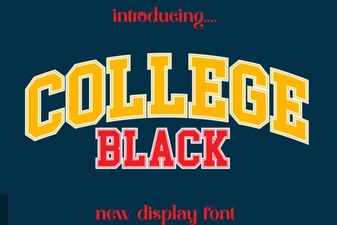 Sans Serif College Fonts for Designs
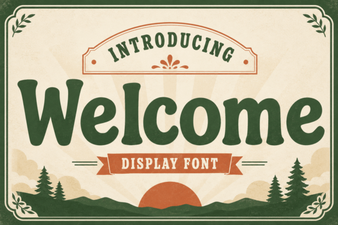 Welcome Fonts to Elevate Your Design Projects
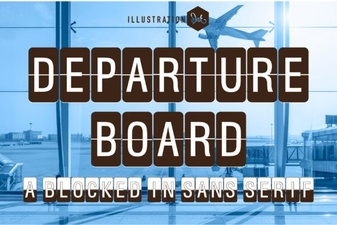 The Departure Board Font: Classic Travel Typefaces
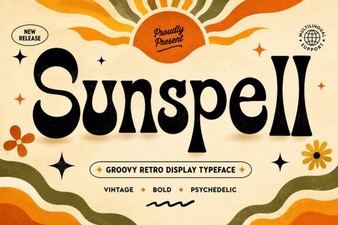 Sunspell Font: Design for Creative Projects
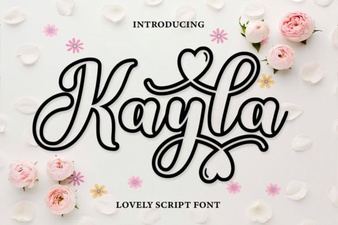 Kayla Outline: Elegant Font Designs & Project Ideas
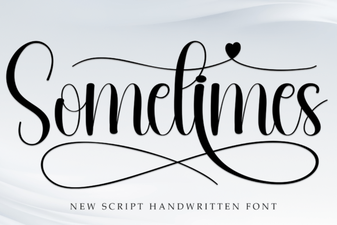 Sometimes Font: Creative Tips & Design Ideas