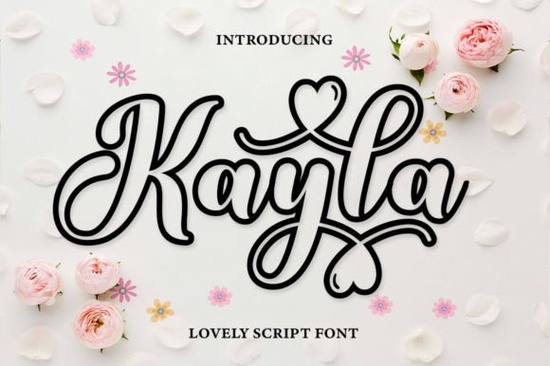
If you work on custom branding, handmade packaging, or digital printables, finding a readable handwritten typeface that still feels personal can take a lot of trial and error. The Kayla Outline Font solves that problem by offering a clean, outlined script style that works across light backgrounds and busy layouts alike. It is built for designers, crafters, and small shop owners who need a warm, romantic look without sacrificing legibility on physical products or digital files.
This typeface stands out because it blends casual letterforms with structured spacing. You get a friendly, jot-it-down aesthetic that still lines up neatly in sentences and logos. Since it includes full international character sets, you can safely use it for multilingual client projects without worrying about missing diacritics or awkward fallback symbols.
What types of creative work fit this outlined style best?
Because the letters carry an open, airy feel, they sit nicely on both light and medium-toned backgrounds. You will notice the best results when you leave enough breathing room around each word. Here are the most common applications where this font shines:
- Print-on-demand apparel: The outlined strokes stand out clearly on cotton blends, tote bags, and ceramic mugs without looking heavy or muddy.
- Wedding stationery: The romantic baseline works perfectly for invitations, save-the-dates, and place cards that need a soft, approachable tone.
- Small business packaging: Stickers, product labels, and hang tags gain a handmade touch that matches well with kraft paper and pastel color palettes.
- Digital planners and social graphics: The clean outlines keep file sizes manageable while adding visual interest to Instagram quotes or Pinterest banners.
If you are building out a library of script options, pairing this style with simpler, rounded typefaces often creates the most balanced compositions. You can explore more versatile script combinations to see how different weights interact in real layouts.
How do I mix this handwritten style with other typefaces?
The secret to a successful pairing is contrast. Since the letterforms already carry personality, they do not need another decorative font competing for attention. Try matching them with a clean geometric sans serif for body copy or a structured serif for pricing sections. Many creators find that mixing styles like this curated duo collection gives them a reliable starting point before experimenting further.
For projects that lean toward academic or study-themed branding, you might pair the outlined script with a slightly tighter, more structured face. Browsing through options like fonts made for study journals can show you how spacing and stroke weight affect readability in dense text blocks. If your client wants a softer, vintage look, combining the script with casual handwritten alternatives can create a cohesive family feel. Shop owners who sell daily planners often rotate in similar script styles to keep their product lines fresh without changing their brand identity completely.
What does PUA encoding change in my design process?
Many beginners run into frustration when trying to use special ligatures or decorative swashes in standard text editors. PUA (Private Use Area) encoding means those extra characters are mapped directly to standard keyboard shortcuts inside most design programs. Instead of copying and pasting symbols from separate files, you can type the designated keys and watch the alternate glyphs appear instantly. This keeps your workflow fast and ensures that your vector files stay clean for print shops and laser cutters.
You can also check how the Kayla Outline typeface performs inside your preferred software before committing to a large batch. Testing a few words in Illustrator, Procreate, or Silhouette Studio will show you exactly how the outline handles at small point sizes.
Is this file ready for commercial licensing?
When purchasing type assets for client work, always verify the license terms before adding them to a storefront. Most modern script files from reputable marketplaces include clear commercial usage rights, but print volumes, physical product limits, and digital distribution rules can vary. Keep a separate folder with your license receipts, and note whether the file requires a desktop version, a web version, or both. This small habit prevents takedown notices and keeps your small business running smoothly.
Next steps before you start printing
Before you send files to production or upload them to your shop, run through a quick quality check:
- Install the desktop file on your main design computer and restart your primary software so the font appears correctly in the dropdown menu.
- Test the outline weight at your target print size. Printed outlines thinner than one millimeter may fill in during the pressing or cutting process.
- Check kerning manually for short headings. Handwritten scripts often need tiny spacing adjustments between specific letter pairs.
- Export a high-resolution PDF with embedded fonts before sharing mockups with clients or printers.
- Verify your commercial license covers your specific product type, especially if you plan to sell editable templates on third-party platforms.
Once these steps are complete, you can batch out your designs with confidence and keep your production schedule moving forward.
Download Now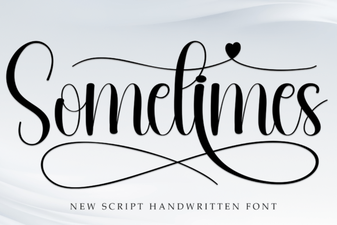 Sometimes Font: Creative Tips & Design Ideas
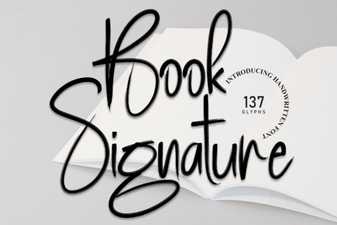 Craft a Signature Font for Your Book Project
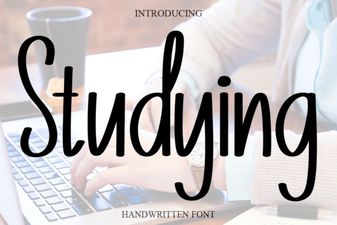 Creative Font Pairings for Your Study Projects
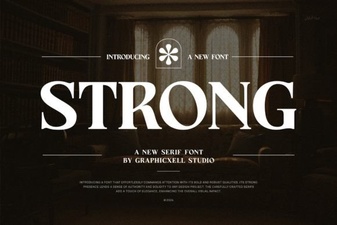 Best Uses of Strong Fonts for Design Impact
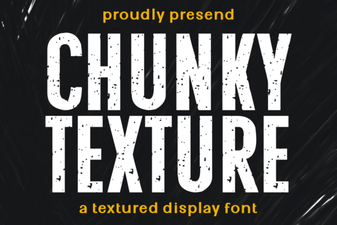 Chunky Fonts: Bold Text for Creative Designs
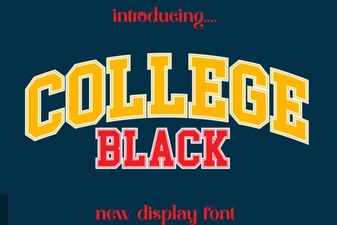 Sans Serif College Fonts for Designs