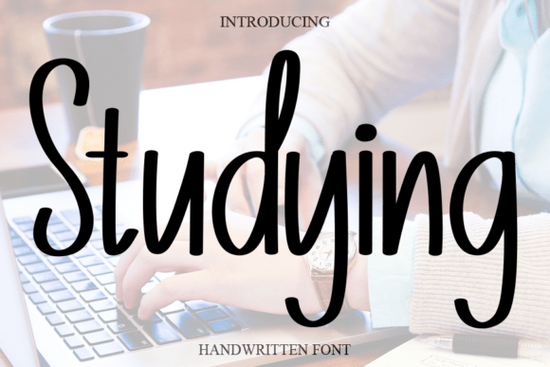
How does a gentle script perform in real design layouts?
Handwritten styles can sometimes feel fragile on screen or in print, but this particular typeface carries a steady weight that keeps letters readable at smaller sizes. The curves connect naturally, which means you can use it for brand names, quote posters, or packaging details without worrying about awkward spacing. When you drop it onto a clean background, the letters keep their shape and do not blur into each other. This balance of soft curves and clear structure saves time during revisions, especially when you need to adjust kerning quickly.
Which projects benefit the most from romantic cursive lettering?
If you run a print-on-demand store or craft custom greeting cards, you already know that typography carries half the emotional weight of the design. This script fits perfectly on bridal stationery, boutique clothing tags, and minimalist photo overlays. You might also use it for social media templates where a handwritten signature style feels authentic and approachable. For example, placing a soft script over a neutral linen texture instantly gives the piece a polished, handmade look that customers trust.
How do you pair cursive fonts without creating visual clutter?
The trick to using flowing scripts successfully is giving them room to breathe. Pair them with clean sans-serif or neutral serif faces that take up less visual space. You can try combining this style with a straightforward geometric typeface for body text, while keeping the cursive reserved for headings or accent words. If you want to explore similar alternatives, the delicate script collection offers several styles that share this lightweight structure. You might also compare it with the vintage calligraphy options if your project leans toward a more traditional aesthetic. For layouts that need stronger contrast, looking at the thicker handwritten alternatives can help you decide which weight fits your brand voice best.
What file formats should you prepare before sending artwork to print?
When you finalize a layout that features Studying Font, always convert your text to outlines or embed the typeface before exporting. This prevents missing font errors on commercial printers. Keep a layered master file with editable text, then generate a flattened PDF for physical production. For digital use, export PNGs with transparent backgrounds at three hundred DPI or SVG files for scalable web graphics. Most small businesses find it helpful to save a quick reference sheet that tracks which font size works best for their product line.
How can crafters use script typography for custom merchandise?
Handmade sellers often struggle with adding personal touches that still look professional. This typeface solves that problem by offering consistent swashes and natural spacing right out of the box. You can use it on iron-on transfers, ceramic mugs, and embroidered patches. The soft terminals hold up well even when printed on textured materials like kraft paper or canvas tote bags. If you are building a coordinated collection, consider pairing the script with outlined lettering styles to add visual variety without breaking your design theme. You can also match it with the botanical font duos for cohesive packaging sets, since romantic scripts naturally complement organic illustrations.
What should you check before sending typography files to production?
Before publishing your final designs, run through this checklist to keep your typography sharp and ready for market:
- Test the script at actual print size to verify legibility on paper.
- Adjust tracking slightly so the letters do not crowd each other on small labels.
- Convert text to outlines or embed the font in your final PDF files.
- Keep a neutral secondary typeface ready for body copy and product details.
- Save a separate layer file with live text so you can tweak wording later.
Once you match this gentle cursive with the right layout spacing, your projects will look polished and intentional. Start by placing a few words on your canvas, step back, and let the natural flow of the letters guide your next design choice.
Learn More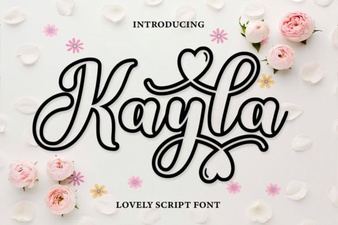 Kayla Outline: Elegant Font Designs & Project Ideas
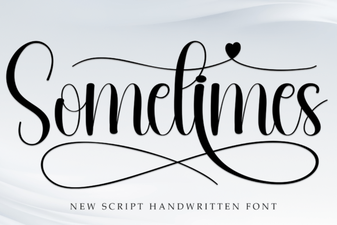 Sometimes Font: Creative Tips & Design Ideas
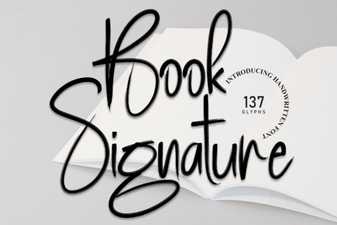 Craft a Signature Font for Your Book Project
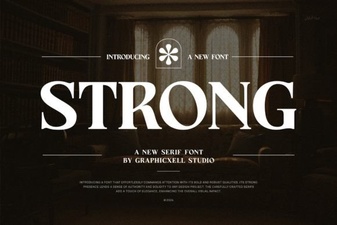 Best Uses of Strong Fonts for Design Impact
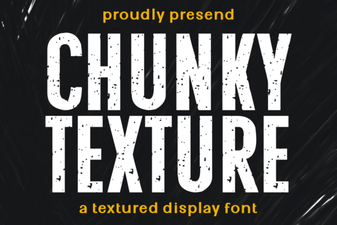 Chunky Fonts: Bold Text for Creative Designs
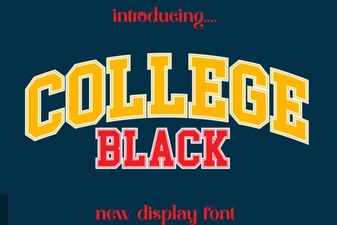 Sans Serif College Fonts for Designs