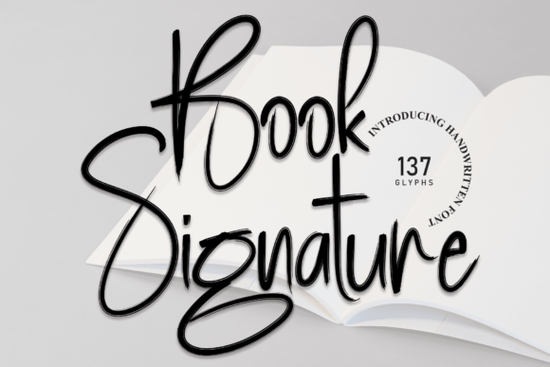
Finding the right handwritten typeface often comes down to balancing personality with readability, and the Book Signature Font delivers exactly that balance. It offers a delicate, elegant, and flowing style with well-proportioned characters that adapt easily to different layouts. If you work on branding, wedding invitations, or custom merchandise, having a script that stays clear at various sizes saves hours of tweaking later. You will notice how each letter connects naturally without becoming tangled, which keeps the text legible even when scaled down for labels or business cards.
When should you choose a delicate script over bolder display options?
Handwritten typefaces work best when your design needs to feel personal, refined, or slightly vintage. This style sits nicely on white space, allowing natural curves to guide the eye. For minimalist packaging or social templates, a lighter script adds warmth without competing with product photography. Creators often pair these flowing letters with geometric sans-serifs for clear hierarchy. If you want more decorative edges, exploring options like if you need a matching outline style gives your layouts extra detail.
The consistent stroke weight translates well to engraving, foil stamping, and standard prints. Use it for quote posters, journal covers, or subtle watermarks. When you need something softer, alternatives like when you want a softer, more relaxed feel offer a reliable fallback. Seasonal promotions or greeting cards might benefit from trying for projects that need a sweeter, playful touch to better match audience expectations.
How does this typeface improve small business branding and packaging?
Brand consistency relies heavily on typography that behaves predictably across different materials. Scripts with balanced spacing and clean terminal ends reduce the need for manual kerning adjustments, which is especially helpful for shop owners who handle multiple product lines. When you apply a well-crafted script like Book Signature, your logo, hang tags, and care labels maintain a unified voice. This consistency builds trust with buyers, especially in handmade and boutique markets where presentation directly influences perceived quality.
Many designers use flowing scripts for custom watermarks, pattern repeats, and embossed textures. Carefully spaced characters stack without awkward overlaps. If your project leans toward modern layouts, switching to if you prefer clean, modern letterforms instead keeps things contemporary. Match your typeface to your brand values rather than following short-lived trends.
What should print-on-demand sellers know before using handwritten fonts?
Printing script typography requires attention to file setup and material compatibility. Thin connecting lines can disappear on dark backgrounds or rough fabrics if contrast and sizing are not adjusted. Always test your design at 100% scale before running a production batch. Convert your text to outlines or paths when working with cutting machines to preserve the original curves. You can also review check out the full preview pack to see how the glyphs render in different environments. These previews help you anticipate spacing issues before they reach the printer or laser cutter.
Quick checklist before sending your files to production
- Check contrast: Light scripts need a solid, high-contrast background to remain legible.
- Convert to paths: Outline all text in your design software to prevent missing fonts during export.
- Test print a sample: Run one copy on your actual material to verify line thickness and spacing.
- Adjust tracking slightly: Increase letter spacing by 10–20 points if the script will be viewed from a distance.
- Keep secondary text simple: Pair delicate scripts with clean, high-legibility body fonts for descriptions or disclaimers.
Before finalizing your next project, open a blank canvas, drop the font into a real-world layout, and print it at the exact size your customers will see it. Small adjustments in line spacing or background contrast often make the difference between a design that looks polished and one that feels rushed. Save a few test files, compare them side by side, and only commit to full production once the script reads smoothly without strain.
Download Now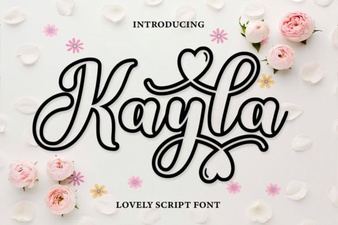 Kayla Outline: Elegant Font Designs & Project Ideas
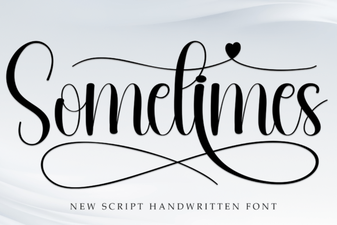 Sometimes Font: Creative Tips & Design Ideas
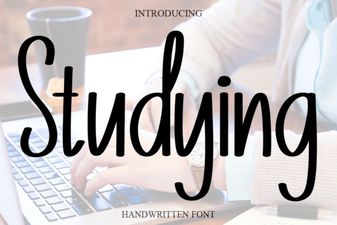 Creative Font Pairings for Your Study Projects
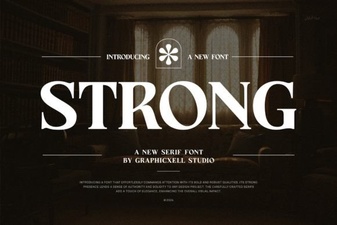 Best Uses of Strong Fonts for Design Impact
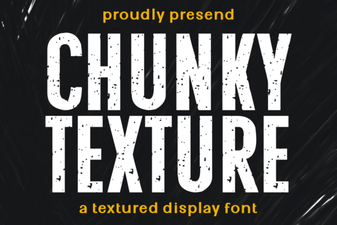 Chunky Fonts: Bold Text for Creative Designs
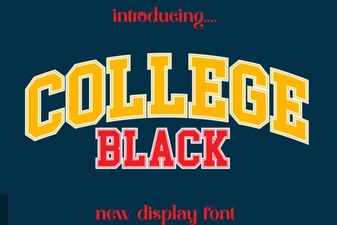 Sans Serif College Fonts for Designs