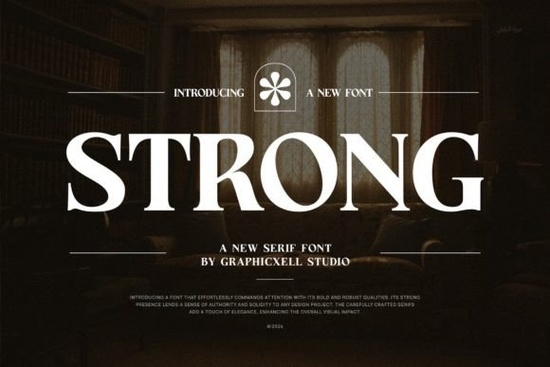
What makes this serif typeface work for everyday design projects?
The main reason designers return to this kind of typography is its balance between readability and style. Many elegant fonts look beautiful at large sizes but blur on smaller screens. This typeface maintains clear distinction between characters, which helps when you need legibility across multiple formats. You can use it for long paragraphs in a lookbook or keep it strictly for short headings on social media. The classic structure pairs smoothly with sans-serif accents, giving you layout flexibility without overwhelming the page.
If you want to explore more typography options that share this clean feel, you might check out this curated collection of vintage and modern serif styles. Having a few reliable families on hand speeds up your workflow when deadlines are tight and client revisions pile up.
Which creative projects benefit most from this style?
Because the design leans toward sophisticated yet approachable, it works well across commercial and personal projects. Print-on-demand sellers often use it for apparel graphics and poster designs where text must stand out without feeling heavy. Stationery makers find it especially useful for invitations and letterheads, where a polished first impression matters. Photographers and content creators also lean on it for watermarks, quote overlays, and portfolio branding.
Here are a few practical ways you can apply it right away:
- Brand identity kits: Use the regular weight for body text and a slightly tracked-out setting for your business name.
- Event invitations: Pair it with soft backgrounds or foil textures to highlight the elegant curves.
- Packaging labels: Keep line heights at 1.4 for clear reading on curved surfaces or small jars.
- Social media templates: Apply it to carousel headers where consistency builds visual recognition over time.
How do you access ligatures and special characters easily?
Working with advanced typography usually requires switching between different panels or searching through character maps. This typeface comes with PUA encoding, which removes that extra step. You can open your glyph panel in Illustrator, Photoshop, or Silhouette Studio and see all the alternate characters and ligatures ready to use. This is especially helpful for logo designers who need unique combinations or for crafters who want to add a subtle decorative touch to vinyl cutouts.
When you understand how standard character encoding works, you will save time on projects that require custom spacing. You can read more about how Strong Font handles digital rendering to ensure smooth installations across your design software.
What should beginners keep in mind before downloading?
Before you start applying it to your next project, keep a few practical details in mind. First, always test how the letters render on both light and dark backgrounds. Serif fonts can lose clarity when contrast is too low, so adjusting the tracking can make a big difference. Second, check your commercial license terms if you plan to sell physical goods. Most marketplace purchases include standard commercial rights, but confirming usage limits protects your business from unexpected restrictions.
If you are still building your font library and want to keep things organized, browse through this focused set of elegant serif options that match well with modern layout trends. Keeping your typography toolkit simple prevents decision fatigue and helps you maintain a cohesive brand voice across all platforms.
What steps should you take before finalizing a design?
- Open your design file and test the typeface at different zoom levels to check for crisp edges.
- Use the glyph panel to swap standard characters for PUA-supported alternates.
- Set line height between 1.2 and 1.5 for optimal readability on web and print.
- Pair with a simple sans-serif for body copy if your layout includes large text blocks.
- Save a styled version of your brand colors and tracking settings as a reusable template.
- Export a quick PDF proof and review it on a mobile screen before sending to a printer.
Take your time experimenting with different character combinations and layout grids. Once you find a spacing hierarchy that matches your visual style, apply it consistently across your emails, packaging, and digital assets to build a clean, recognizable presence.
Try It Free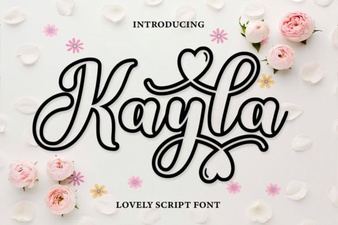 Kayla Outline: Elegant Font Designs & Project Ideas
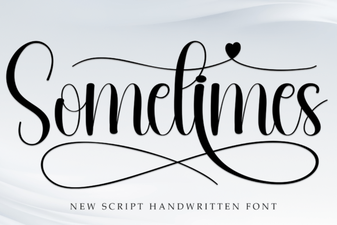 Sometimes Font: Creative Tips & Design Ideas
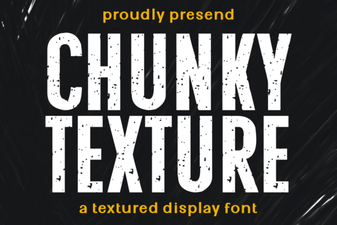 Chunky Fonts: Bold Text for Creative Designs
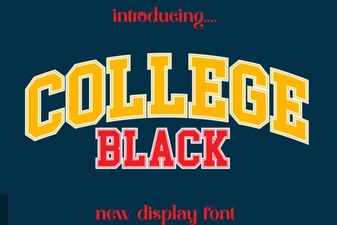 Sans Serif College Fonts for Designs
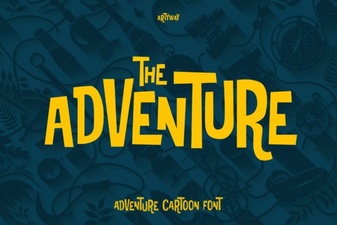 Adventure Fonts for Creative Projects & Designs
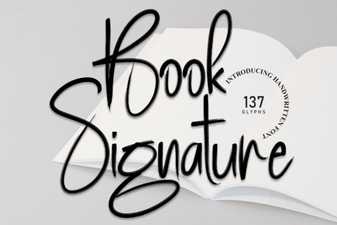 Craft a Signature Font for Your Book Project