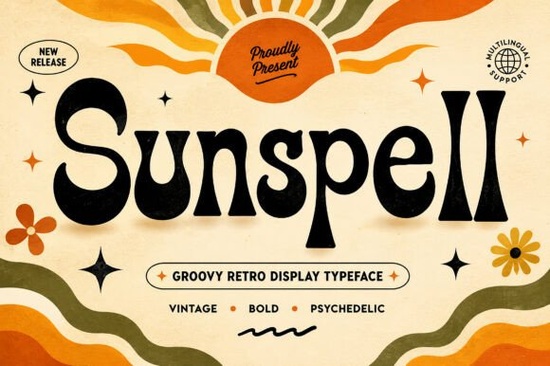
What types of layouts work best with 70s-inspired lettering?
The heavy contrast and rounded edges make this style ideal for short text like headlines, logos, and social media banners. It does not read well in long paragraphs, so reserve it for titles that stay under five words. You will see it perform strongest on festival flyers, album artwork, and product labels where warmth matters more than formal clarity. Many crafters also apply it to heat-transfer vinyl on apparel because the thick strokes cut cleanly and handle fabric texture well.
If you are comparing bold display options, testing it alongside Varsity Spirit or Jennies House helps you match the exact mood of your campaign. Each family brings a different weight distribution to short-form text.
How do you handle spacing and pair it with simpler typefaces?
Retro display families often need manual kerning to prevent awkward letter overlap. Start with a looser tracking setting for all-caps layouts, and tighten the spacing slightly for mixed-case phrases. Pay close attention to how curved letters touch straight stems, as this is where visual tension usually builds. Pair this groovy style with a clean, geometric sans-serif to keep the composition readable. A neutral font should handle subheadings and pricing tags while the display family anchors the layout.
For projects that lean into aged aesthetics, you can layer the letters over distressed backgrounds without losing definition. Designers who prefer weathered effects might review Classic Distress to understand how texture interacts with heavy stems before finalizing a print file. Avoid applying heavy drop shadows that clash with the organic weight of the original shapes.
Which files and characters are included for commercial use?
The download contains uppercase and lowercase alphabets, numbers, standard punctuation, and decorative symbols. Complete punctuation means you can set up clean editorial headlines without worrying about missing glyphs. The set also covers basic Western European language support, making it easier to expand your client base. Always check the included licensing terms before sending designs to large-scale manufacturers, as permissions often differ between digital ads and physical merchandise.
Where can modern brands apply vintage typography without feeling outdated?
The secret is restraint. Instead of filling every element with retro styling, use the typeface as a focal point against minimalist layouts. Brands selling handmade ceramics, organic goods, or coffee often use this approach because the curves suggest craftsmanship. It also performs well on podcast covers, newsletter headers, and seasonal merch where personality needs to stand out quickly. Keep background elements low in opacity so the heavy letterforms remain the primary anchor.
If you need a structured type for wayfinding or tech projects, looking at Departure Board shows how geometric spacing contrasts with freeform lettering. Pairing those styles creates a dynamic visual system. For summer promotions, test bright gradients against dark mockups early in your workflow. You can also explore warm color interactions by checking Lemon Harvest before locking in your final palette.
Quick checklist for print-ready delivery
- Convert text to outlines before exporting to preserve exact shapes and avoid missing font errors on commercial printers.
- Check CMYK values against your provider’s profile, since heavy ink coverage can cause bleeding on cotton or uncoated paper.
- Export with transparency for digital platforms, and zoom to 100 percent to verify curve smoothness.
What to try next
Save a few preset spacing values in your software so you can apply them instantly to future layouts. Build a small reference folder of successful headline pairings, and test the typeface on both light and dark backgrounds before finalizing client deliveries. For additional reading on handling display typography and commercial licensing basics, you can review standard industry guidelines on Sunspell and related font usage.
Learn More Chunky Fonts: Bold Text for Creative Designs
 Sans Serif College Fonts for Designs
 Welcome Fonts to Elevate Your Design Projects
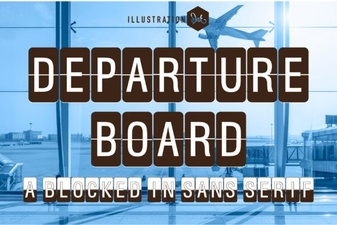 The Departure Board Font: Classic Travel Typefaces
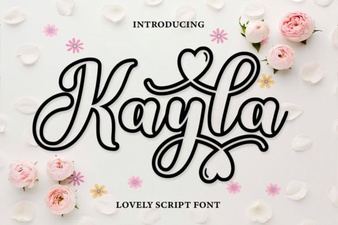 Kayla Outline: Elegant Font Designs & Project Ideas
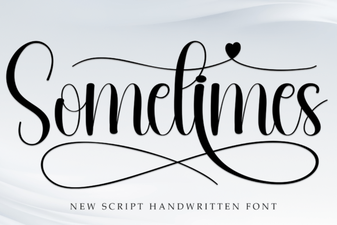 Sometimes Font: Creative Tips & Design Ideas